
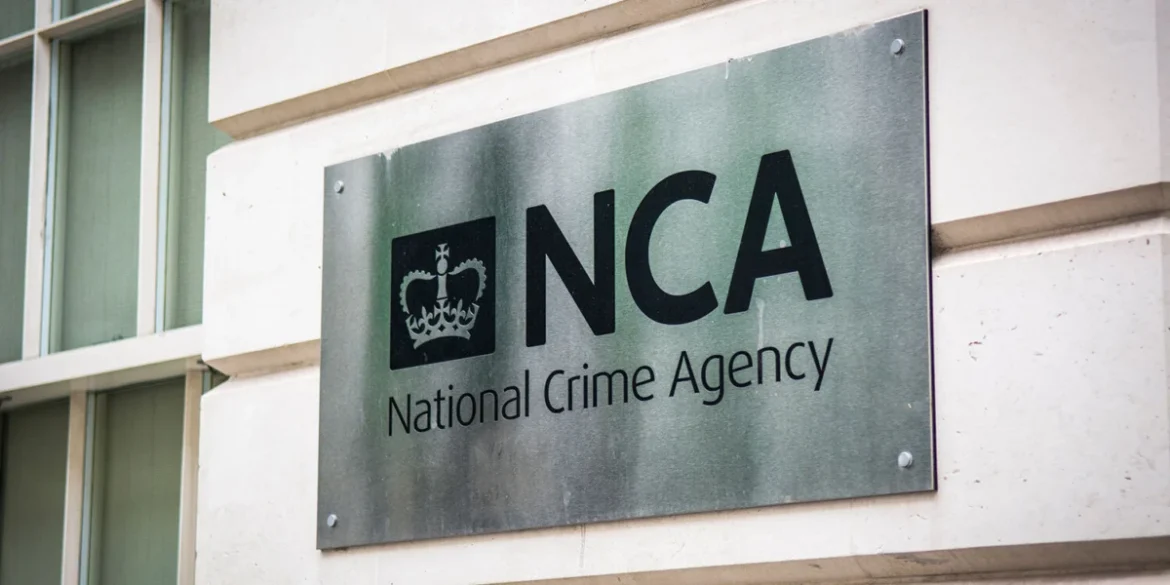
In a significant blow against sophisticated cryptocurrency fraud, a large-scale, coordinated operation dubbed "Operation Atlantic" has successfully disrupted a rapidly expanding threat targeting digital asset users. Spearheaded by the UK’s National Crime Agency (NCA), and bolstered by the US Secret Service, the Ontario Provincial Police, and the Ontario Securities Commission, the multi-national effort leveraged cutting-edge blockchain intelligence to protect victims in real-time. Chainalysis, a leading blockchain analysis firm, played a crucial role as a key intelligence partner, providing critical on-chain data and investigative expertise that enabled law enforcement to identify and intercept illicit funds.
The operation specifically targeted "approval phishing" scams, a particularly insidious form of cryptocurrency fraud where malicious actors trick victims into inadvertently granting them permission to drain their digital wallets. These scams often exploit vulnerabilities in smart contract interactions, leading individuals to unknowingly authorize transactions that transfer their assets to the perpetrators. The swift and decisive action taken during Operation Atlantic has already yielded substantial results, underscoring the growing importance of public-private partnerships in combating increasingly complex cyber-enabled financial crimes.
The Scope of the Threat: Approval Phishing and Its Victims
Approval phishing scams have emerged as a significant concern within the cryptocurrency ecosystem due to their deceptive nature and the potential for widespread asset loss. Unlike more overt phishing attacks that might involve fake websites or malicious links, approval phishing often operates through seemingly legitimate interactions with decentralized applications (dApps) or cryptocurrency exchanges. Victims are persuaded to approve a transaction that grants a smart contract a broad allowance to spend their cryptocurrency. Once this permission is granted, the fraudsters can then initiate unauthorized transfers, effectively emptying the victim’s wallet.
The scale of the problem was starkly highlighted by the findings of Operation Atlantic. Law enforcement and private sector partners identified over 20,000 victims across the United Kingdom, Canada, and the United States. This broad geographic reach underscores the global nature of these criminal enterprises and the necessity for international collaboration in their disruption. The financial implications are equally alarming: the operation has successfully secured and frozen more than $12 million in suspected criminal proceeds directly stolen from victims. Furthermore, an additional $45 million in stolen cryptocurrency linked to various fraud schemes worldwide has been identified, demonstrating the extensive reach of these illicit networks. In numerous instances, the rapid intervention meant that funds could be intercepted before criminals had the opportunity to further launder or dissipate them, offering a tangible chance for recovery for some victims.
A particularly poignant case identified during the operation involved a victim in the UK who is believed to have lost over £52,000 to this sophisticated form of fraud. This individual loss, when extrapolated across thousands of victims, paints a grim picture of the financial devastation wrought by these scams.
From Intelligence to Intervention: The Mechanics of Operation Atlantic
Operation Atlantic was designed with a clear, albeit ambitious, objective: to proactively identify victims and compromised wallets in real-time, freeze and secure illicit funds before they could be laundered through exchanges or other services, and generate actionable intelligence to dismantle the fraud networks behind these scams. The operation aimed to lay the groundwork for ongoing investigations, leveraging the data gathered to pursue criminal actors.
The initiative’s success is a testament to a strategic public-private approach that aligns closely with the UK government’s broader Fraud Strategy. This strategy emphasizes the critical need for earlier intervention by fostering seamless connections between data, knowledge, and expertise from both the private sector and law enforcement agencies. The week-long intensified action, hosted at the NCA’s headquarters, served as a practical embodiment of this strategy. Agencies and companies worked collaboratively, sharing insights, tools, and acting with urgency on emerging intelligence.
This collaborative model is not entirely new. Operation Atlantic builds upon the foundations laid by earlier public-private initiatives, such as Operation Spincaster, a Chainalysis-led effort that generated over 7,000 investigative leads and identified approximately $162 million in losses related to similar scams. The repeated success of these coordinated, on-chain intelligence-driven operations underscores the effectiveness of this approach in tackling the significant threat posed by approval phishing and other cryptocurrency-enabled frauds.
Chainalysis’s Pivotal Role in Operational Success
As a crucial blockchain intelligence partner, Chainalysis provided indispensable support to law enforcement and regulatory agencies throughout Operation Atlantic. The firm’s sophisticated tools and expert analysts were instrumental in delivering real-time on-chain intelligence, facilitating meticulous tracing of illicit fund flows, and providing critical alerts.
Chainalysis’s platform enabled the tracing of illicit flows specifically linked to approval phishing scams. Investigators were able to identify victim wallets, map out the infrastructure used by the scam networks, and chart the complex connections across various blockchains and services, including cryptocurrency exchanges, decentralized finance (DeFi) protocols like bridges, and high-risk Virtual Asset Service Providers (VASPs).
Working in tandem with operational teams at the NCA’s London headquarters, Chainalysis delivered highly targeted and enriched blockchain intelligence. Utilizing Chainalysis Data Solutions, their experts provided hands-on investigative support, flagging suspicious addresses, connecting them to known scam clusters, and prioritizing wallets that were at the highest immediate risk of further loss. This high-confidence, on-chain intelligence allowed VASPs to act decisively, pausing suspicious activity more rapidly, focusing enhanced due diligence on the riskiest exposures, and filing timely, well-substantiated suspicious activity reports (SARs) where appropriate.
Beyond immediate asset recovery, the on-chain insights generated by Chainalysis also played a vital role in targeted victim outreach. By leveraging advanced data enrichment workflows within Data Solutions, operational teams were better equipped to understand the specifics of each incident, ascertain the recoverability of assets, and provide victims with practical, actionable steps to limit their losses and regain control of their funds. This potent combination of on-chain intelligence and direct support significantly improved the prospects for individuals to mitigate their financial damage.
Official Statements and the Broader Implications
Miles Bonfield, Deputy Director of Investigations at the National Crime Agency, highlighted the significance of Operation Atlantic, stating, "Operation Atlantic is a powerful example of what is possible when international agencies and private industry work side by side. This intensive action has led to the safeguarding of thousands of victims in the UK and overseas, stopped criminals in their tracks and helped save others from losing their funds. We know that fraudsters operate globally and, together with our international partners, so will the NCA to target them wherever they are based."
Bonfield’s remarks underscore a profound shift in how financial crime, particularly cyber-enabled fraud, is being tackled. On-chain intelligence has transitioned from a supplementary tool to an indispensable component in understanding the modus operandi of scams, disrupting them at scale, and ensuring that law enforcement responses can keep pace with the speed at which criminals move assets across borders and through various services.
The success of Operation Atlantic is not merely a singular achievement but represents a crucial step in a larger evolution of cybercrime enforcement. The intelligence gathered during the operation is now being meticulously analyzed by the NCA and its partners. This analysis is expected to fuel ongoing criminal investigations targeting key actors and networks, support victim remediation and asset recovery efforts, and provide invaluable insights for the planning of future joint operations focused on fraud, scams, and other forms of crypto-enabled crime.
For Chainalysis, Operation Atlantic reinforces several core principles. The firm emphasizes that on-chain data achieves its maximum impact when operationalized in real-time and made directly accessible to investigators and compliance teams. Meaningful public-private collaboration is deemed essential to match the speed and agility of criminals who exploit global infrastructure and cross-border loopholes. Furthermore, a victim-centric approach is paramount, influencing everything from the design of analytical tools to the communication and execution of findings.
Chainalysis has pledged to continue its support for the NCA, the US Secret Service, and other partners involved in Operation Atlantic, viewing this initiative as part of a broader trend. This trend signifies a move away from reactive investigations of fraud, towards a proactive environment where illicit activity is identified, disrupted, and often thwarted before criminals can fully realize their gains.
A Chronology of Action and Anticipated Outcomes
While specific timelines for such operations are often tightly guarded for investigative reasons, the general progression of Operation Atlantic can be inferred from its description:
- Intelligence Gathering and Threat Identification: Prior to the operation, Chainalysis and law enforcement agencies likely identified a growing trend in approval phishing scams, noting patterns of victim losses and the methodologies employed by fraudsters.
- Partnership Formation and Planning: The NCA, in collaboration with the US Secret Service, Ontario Provincial Police, and the Ontario Securities Commission, initiated the planning of a coordinated response. Chainalysis was engaged as a key intelligence partner.
- Operational Week: A concentrated, week-long period of intensified action was conducted at the NCA’s headquarters. During this time, Chainalysis provided real-time on-chain intelligence, tracing, and alerting, directly supporting investigative teams. This involved identifying compromised wallets, mapping illicit fund flows, and flagging high-risk transactions and addresses.
- Intervention and Asset Freezing: Based on the intelligence provided, law enforcement agencies acted to freeze and secure identified criminal proceeds. This crucial step aimed to prevent the further movement of stolen funds.
- Victim Identification and Outreach: Over 20,000 victims were identified, and targeted outreach efforts were initiated to inform them and provide guidance on potential asset recovery and loss mitigation.
- Post-Operation Analysis and Investigation: Following the intensive operational phase, the intelligence gathered is now being analyzed to support ongoing criminal investigations, pursue asset recovery, and inform future strategies against crypto-enabled crime.
Data Points and Supporting Evidence
- Number of Victims Identified: Over 20,000
- Value of Funds Frozen: More than $12 million in suspected criminal proceeds.
- Total Stolen Cryptocurrency Identified: Over $45 million linked to fraud schemes globally.
- Specific Victim Loss: One UK victim lost over £52,000.
- Previous Operation Impact (Operation Spincaster): Generated over 7,000 investigative leads and identified approximately $162 million in losses.
Analysis of Broader Impact and Implications
Operation Atlantic represents a significant advancement in the fight against cryptocurrency fraud. Its success demonstrates several key implications for the future of financial crime enforcement:
- Efficacy of Public-Private Partnerships: The operation unequivocally proves that when law enforcement agencies and private sector firms like Chainalysis collaborate effectively, they can achieve results far exceeding what either entity could accomplish alone. This model is likely to be replicated and expanded in future endeavors.
- The Rise of On-Chain Intelligence: The reliance on real-time on-chain data and analytics is no longer a niche requirement but a fundamental necessity. The ability to trace, monitor, and alert on illicit transactions directly impacts the speed and effectiveness of interventions.
- Proactive Disruption Over Reactive Investigation: The shift from investigating fraud after the fact to proactively identifying and disrupting illicit activities before criminals can fully cash out is a paradigm change. This approach minimizes victim losses and increases the likelihood of asset recovery.
- Global Threat Requires Global Response: The cross-border nature of cryptocurrency fraud necessitates continued international cooperation. Operation Atlantic’s success across the UK, US, and Canada sets a precedent for sustained collaborative efforts.
- Focus on Victim Protection: The emphasis on victim identification and outreach, enabled by detailed on-chain analysis, highlights a maturing approach that prioritizes the well-being of those targeted by criminal activity.
In conclusion, Operation Atlantic stands as a powerful demonstration of coordinated international action against cryptocurrency fraud. By leveraging advanced blockchain intelligence and fostering robust public-private collaboration, law enforcement agencies have taken decisive steps to protect consumers, disrupt criminal networks, and recover stolen assets, signaling a more vigilant and effective future in combating digital financial crime.