
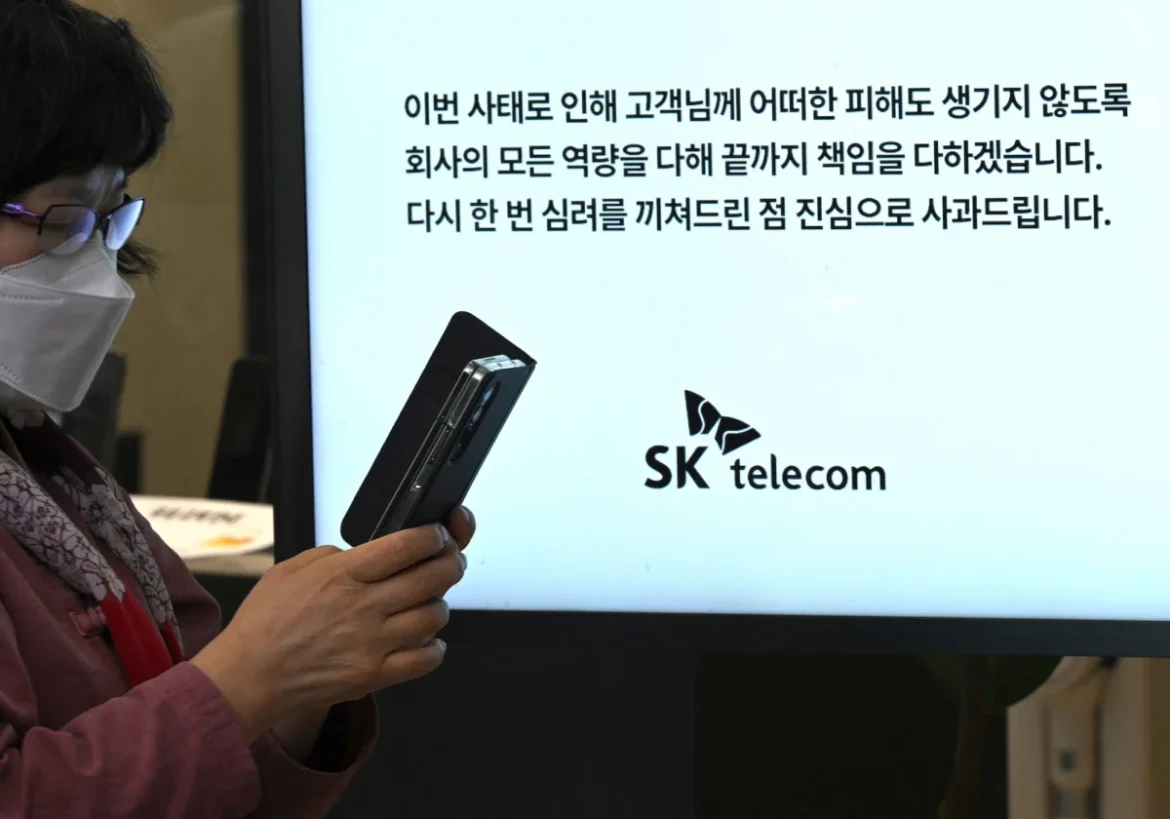
South Korea has long been celebrated as a global paragon of digital integration, boasting some of the fastest internet speeds on the planet and near-universal broadband penetration. As the home to industrial titans such as Samsung, Hyundai, and LG, the nation has positioned itself at the vanguard of the Fourth Industrial Revolution. However, this aggressive pursuit of digital dominance has inadvertently created a vast and lucrative attack surface for malicious actors. Today, the very infrastructure that powered South Korea’s economic miracle is being tested by a series of sophisticated cyberattacks that have exposed significant cracks in the nation’s defensive posture.
The country is currently navigating a period of unprecedented digital instability. Throughout 2025, a relentless wave of hacking incidents has targeted a broad spectrum of the economy, ranging from established telecommunications giants and credit card providers to burgeoning tech startups and critical government departments. These breaches have not only compromised the personal data of millions of citizens but have also raised fundamental questions about the government’s ability to coordinate a cohesive response to modern digital warfare.
The Paradox of Digital Leadership
South Korea’s vulnerability stems from what experts call the "Cybersecurity Paradox." While the private sector has excelled at developing consumer-facing technologies and hardware, the underlying security frameworks have often been treated as secondary considerations. The speed of innovation has consistently outpaced the evolution of protective measures.
Critics and industry analysts point to a fragmented regulatory landscape as a primary culprit. In the event of a major breach, responsibility is often split between the Ministry of Science and ICT, the Korea Internet & Security Agency (KISA), the Financial Services Commission, and the National Intelligence Service. This division of labor, intended to ensure specialized oversight, has instead resulted in a "silo effect" where agencies often work in parallel rather than in unison, leading to delays in threat detection and remediation.
A Year of Escalating Threats: The 2025 Chronology
The year 2025 has been marked by a staggering frequency of cyber incidents, with major breaches occurring almost every month. This timeline illustrates the breadth of the challenge facing South Korean authorities.
January 2025: The Fintech Breach
The year began with a massive data exfiltration event targeting several prominent fintech startups. Hackers exploited vulnerabilities in third-party API integrations, gaining access to the transaction histories and personal identification numbers of hundreds of thousands of users. This incident highlighted the risks inherent in the country’s rapidly expanding decentralized finance ecosystem.
February 2025: Telecommunications Disruption
A major telecommunications provider suffered a coordinated Distributed Denial of Service (DDoS) attack that paralyzed mobile and home internet services for several hours in the Seoul metropolitan area. While no data was stolen, the economic impact of the downtime was estimated in the millions of dollars, underscoring the fragility of the nation’s connectivity.
April and May 2025: Public Sector Vulnerabilities
During the spring, attention shifted to government infrastructure. Multiple municipal databases were breached, resulting in the leak of sensitive administrative records. Investigators found that the attackers used sophisticated spear-phishing campaigns to target low-level government employees, bypassing traditional firewall protections.
June 2025: The Manufacturing Intellectual Property Theft
In a blow to the nation’s industrial pride, a major subsidiary of a leading conglomerate reported the theft of proprietary blueprints related to next-generation semiconductor manufacturing. This incident raised the specter of corporate espionage and highlighted the strategic nature of cyber threats against South Korea’s export-driven economy.
July 2025: Credit Card and Financial Chaos
Mid-summer saw a resurgence of financial sector attacks. A breach at a leading credit card issuer exposed the financial details of millions of customers, leading to a surge in fraudulent transactions and a collapse in consumer confidence. The government’s response was criticized for being reactive, as regulators only intervened after the data had already appeared on dark web forums.
August 2025: Critical Infrastructure Probing
Hackers targeted the control systems of regional power grids and water treatment facilities. While no actual service disruption occurred, the "probing" nature of the attacks suggested that malicious actors were mapping the vulnerabilities of the nation’s most vital physical assets.
September 2025: The KT Security Incident
The crisis reached a fever pitch in September when KT, one of the nation’s largest telecommunications companies, reported new hacking incidents. This prompted an immediate and unprecedented intervention from the highest levels of government.
Structural Obstacles and the Talent Gap
The recurring nature of these attacks has illuminated deep-seated structural issues within the South Korean cybersecurity framework. Brian Pak, the chief executive of Seoul-based cybersecurity firm Theori and an advisor to SK Telecom’s special committee on cybersecurity innovations, argues that the current approach is fundamentally flawed.
"The government’s approach to cybersecurity remains largely reactive, treating it as a crisis management issue rather than as critical national infrastructure," Pak told TechCrunch. He noted that because agencies operate in silos, there is a lack of long-term strategic planning. This fragmentation prevents the development of a unified "threat intelligence" network that could preempt attacks before they manifest.
Furthermore, South Korea is facing a critical shortage of skilled cybersecurity professionals. This talent gap is exacerbated by an educational and corporate culture that has historically prioritized hardware engineering and software development over security architecture. "This lack of talent creates a vicious cycle," Pak explained. "Without enough expertise, it’s impossible to build and maintain the proactive defenses needed to stay ahead of threats."
Political deadlock has also played a role. Legislative efforts to modernize cyber laws often get bogged down in partisan bickering, leading to a reliance on "quick fixes" following high-profile crises. These temporary measures often address the symptoms of a breach without tackling the underlying systemic weaknesses.
The Move Toward a "Control Tower"
In response to the escalating crisis, the South Korean Presidential Office’s National Security Office (NSO) announced a significant shift in policy in September 2025. The government is now pushing for a "whole-of-government" response, effectively creating a centralized "control tower" to oversee national cybersecurity.
Under this new plan, the President’s office will lead an interagency body designed to break down the silos between different ministries. Perhaps most significantly, regulators have signaled a legal change that would grant the government the authority to launch investigations at the first sign of a potential hack—even if the affected company has not yet filed an official report. This "proactive probe" power is intended to eliminate the delays caused by corporate hesitation or the fear of reputational damage.
A spokesperson for the Ministry of Science and ICT emphasized the government’s resolve: "We are committed to addressing increasingly sophisticated and advanced cyber threats. We continue to work diligently to minimize potential harm to Korean businesses and the general public."
Analysis: Balancing Power and Protection
While the "control tower" approach aims to solve the problem of uncoordinated responses, it has also sparked concerns regarding potential overreach. Brian Pak cautioned that placing all authority within a presidential body could lead to the "politicization" of cybersecurity. There are fears that such a centralized system could be used for domestic surveillance or to exert undue pressure on private enterprises.
Analysts suggest that a hybrid model might be the most effective path forward. This would involve a central body responsible for setting high-level strategy and coordinating during national emergencies, paired with independent, technical agencies like KISA that handle the day-to-day work of threat mitigation. Such a system would require clear rules of accountability and independent oversight to ensure that the "control tower" does not exceed its mandate.
The implications of South Korea’s struggle reach far beyond its borders. As a linchpin in the global technology supply chain, any sustained disruption to South Korea’s digital integrity could have ripple effects across the global economy. The world is watching to see if one of the most connected nations on earth can successfully fortify its "fragile shield" or if it will remain a cautionary tale of the risks inherent in the digital age.
As the government begins implementing its comprehensive cyber measures in the final quarter of 2025, the focus will be on whether these policy shifts can translate into tangible security. For South Korea, the goal is no longer just to have the fastest internet, but to ensure that its digital foundations are strong enough to withstand the storms of an increasingly hostile cyber landscape.