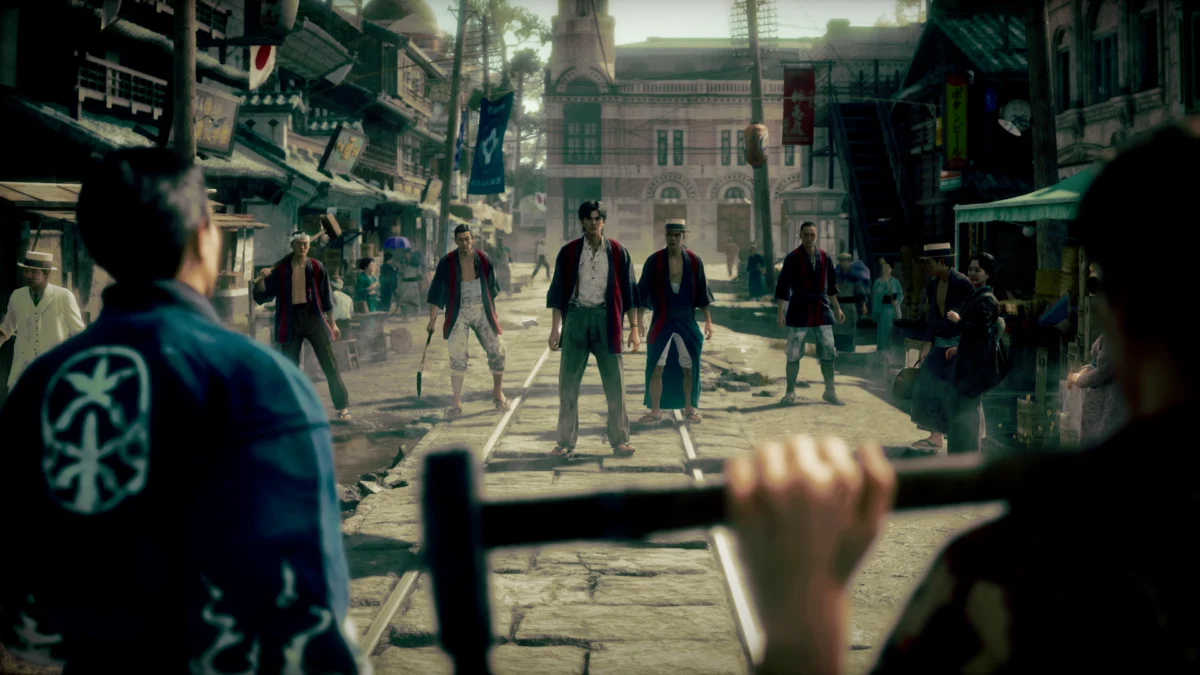
Ryu Ga Gotoku (RGG) Studio, widely recognized for its masterclass depictions of contemporary Japanese nightlife and criminal underworlds through the long-running Yakuza and Like A Dragon franchises, is preparing to step far outside its comfort zone. Scheduled for release on January 15, 2027, for current-generation platforms including the PlayStation 5, Xbox Series X/S, and PC, the upcoming title Stranger Than Heaven trades the neon-lit alleys of modern Tokyo for a sweeping, multi-decade historical epic. Spanning five tumultuous decades of early 20th-century Japanese history, the game represents a monumental technical and narrative shift for Sega and RGG Studio, one that aims to cement the developer’s status as a major global powerhouse in narrative-driven gaming.
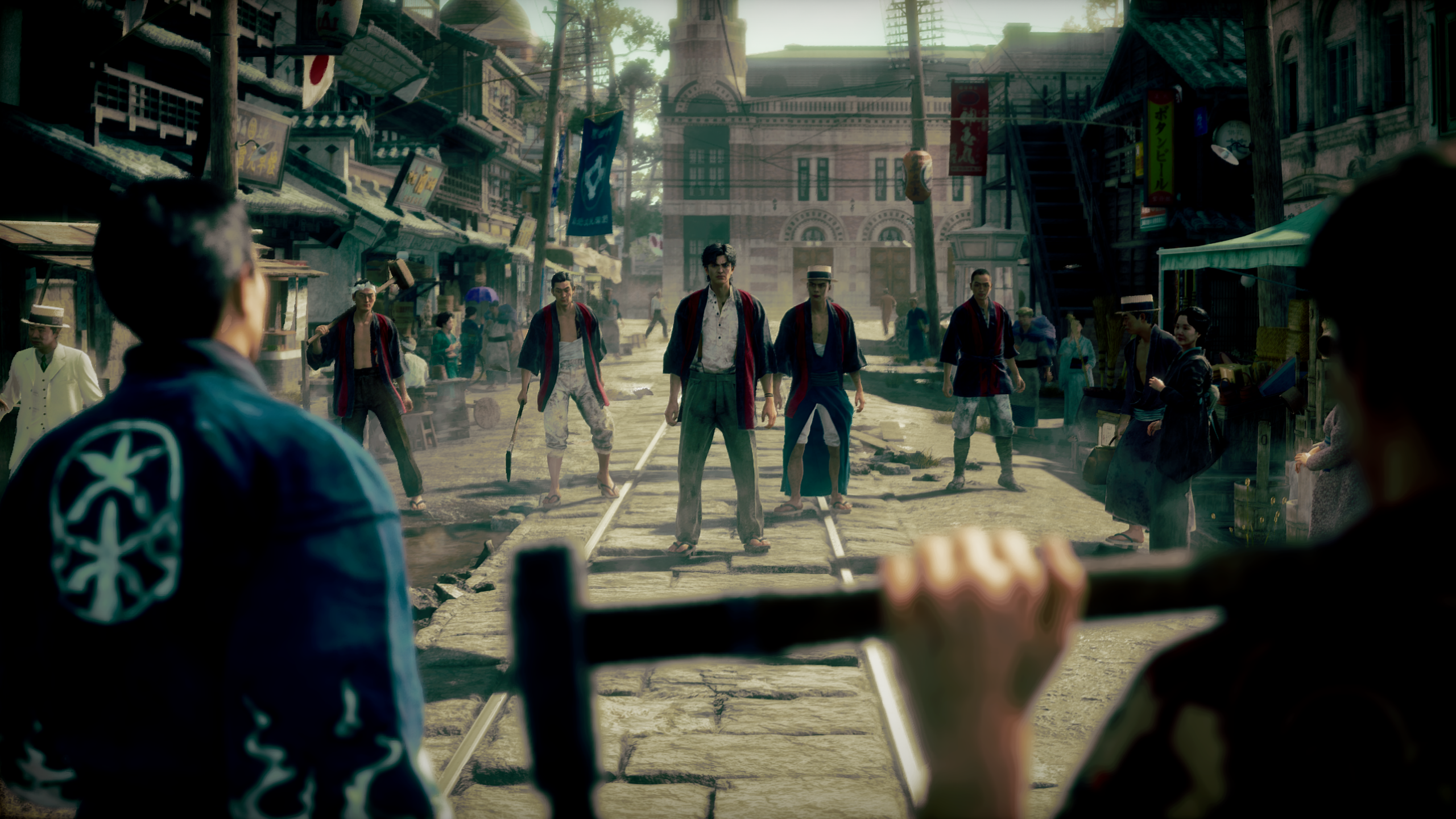
Unlike previous entries in the studio’s catalog, which traditionally focused on contemporary settings and predominantly Japanese casts tailored toward domestic audiences, Stranger Than Heaven aggressively pursues a broader, international demographic. This global ambition is immediately apparent in its opening acts, which begin not in Japan, but in the United States in the early 1900s.
A Transnational Narrative and Unconventional Protagonist
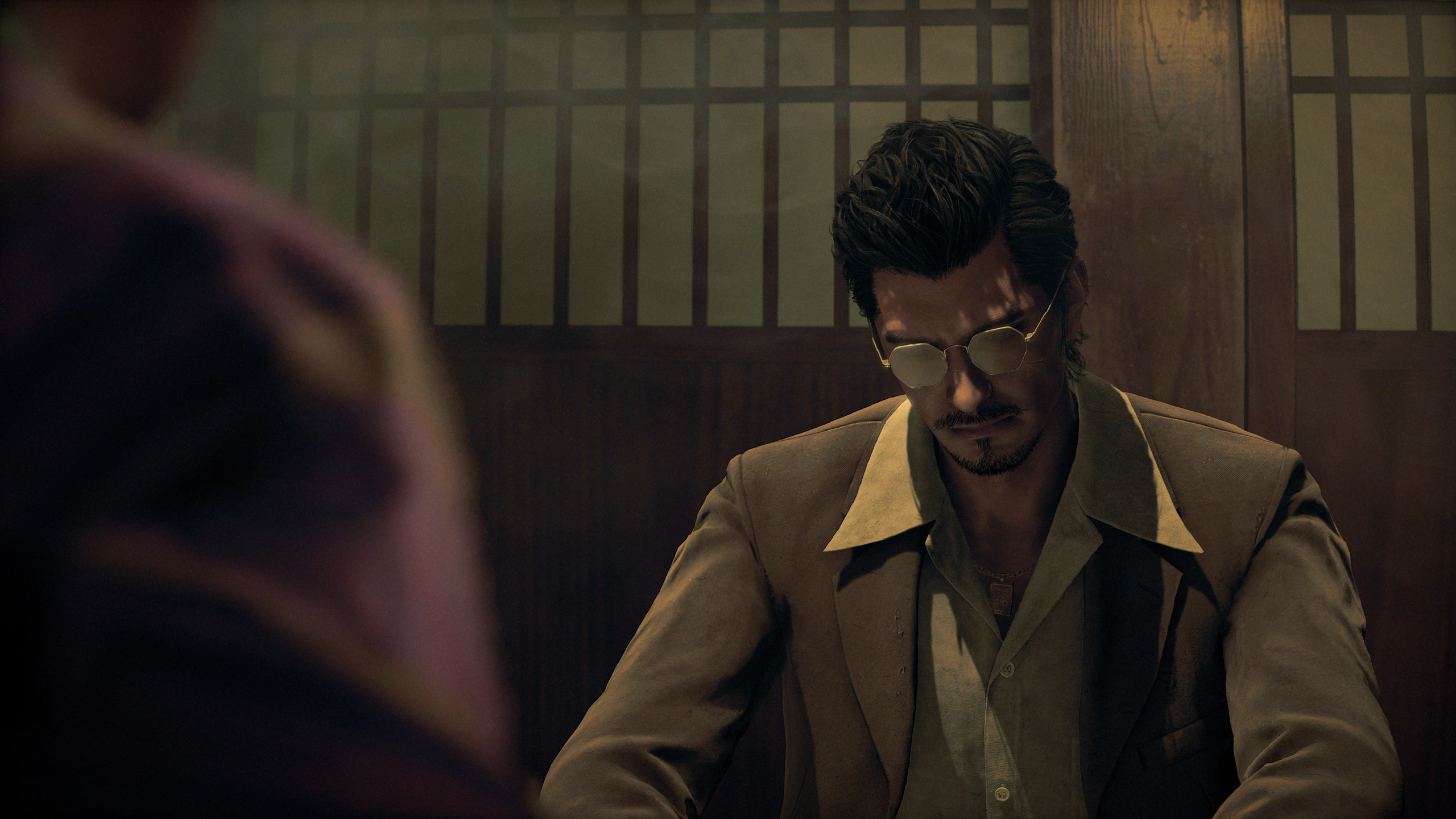
The game introduces players to Makoto Daito, a young man of mixed American and Japanese heritage who serves as an outsider in both worlds. Fleeing poverty, racial discrimination, and a corrupt law enforcement apparatus attempting to pin a crime on him in San Francisco, Makoto stows away on a cargo ship bound for Japan. His distinct blue eyes and fluent English instantly set him apart from the standard protagonists of RGG Studio’s past, reflecting a deliberate effort to explore themes of displacement, identity, and the immigrant experience from a reverse perspective of the traditional American Dream.
Director Mikinobu Abe, who leads the project at a remarkably young age, notes that Makoto’s dual heritage forms the emotional and mechanical core of the narrative. Early in the game, set in Kokura, Fukuoka, in 1915, players experience Makoto’s linguistic struggles firsthand. As he interacts with locals, his hesitancy and foreign pronunciation in Japanese are palpable.
As the narrative progresses across fifty years, both Makoto and his fellow stowaway, Yu Shinjo, visibly and behaviorally adapt to their environment. Abe and his team have implemented subtle evolutionary shifts in body language, mannerisms, and speech patterns, ensuring that the characters’ integration into Japanese society feels earned and gradual rather than instantaneous.
Chronological Trajectory Across Five Distinct Eras
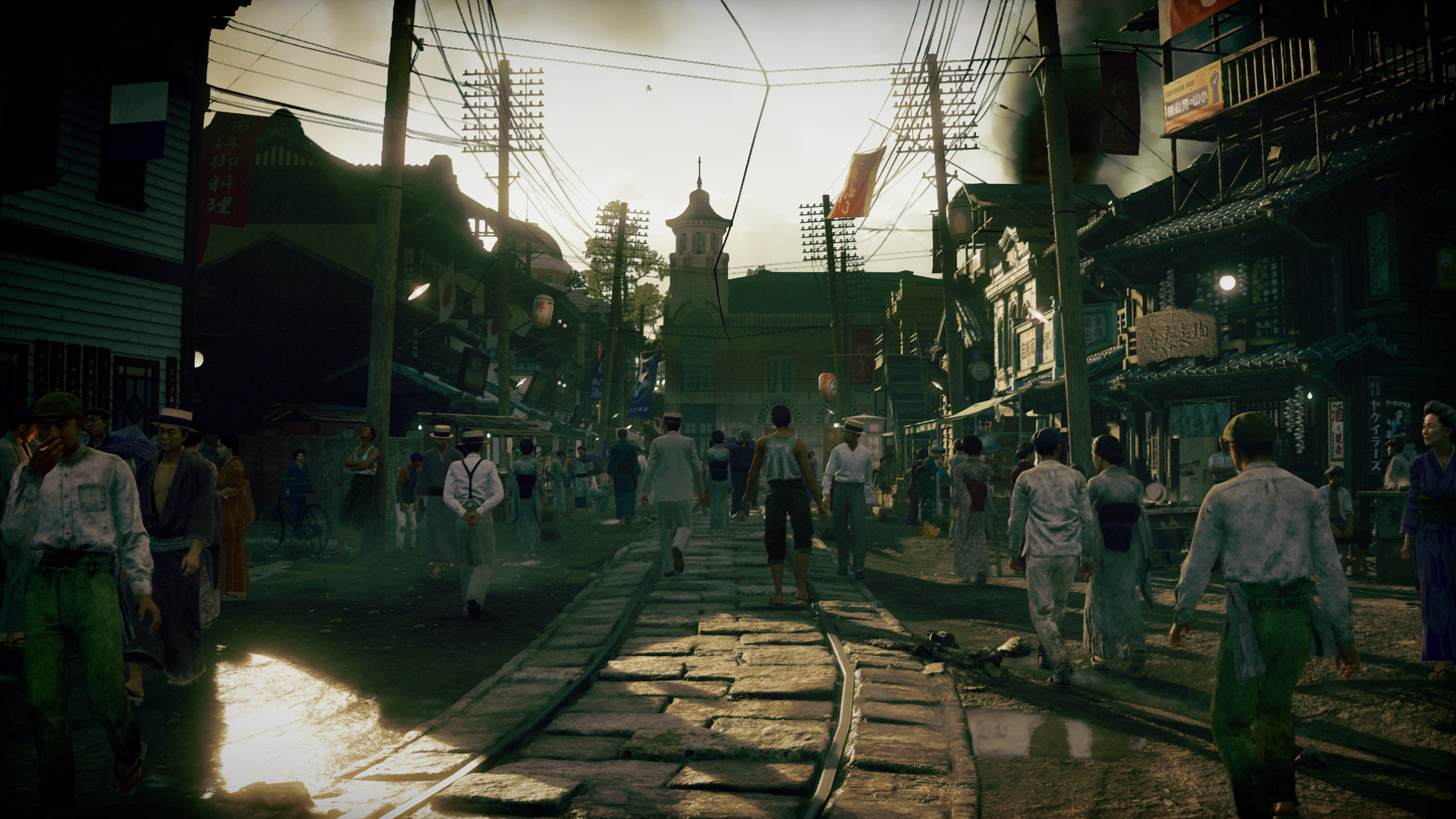
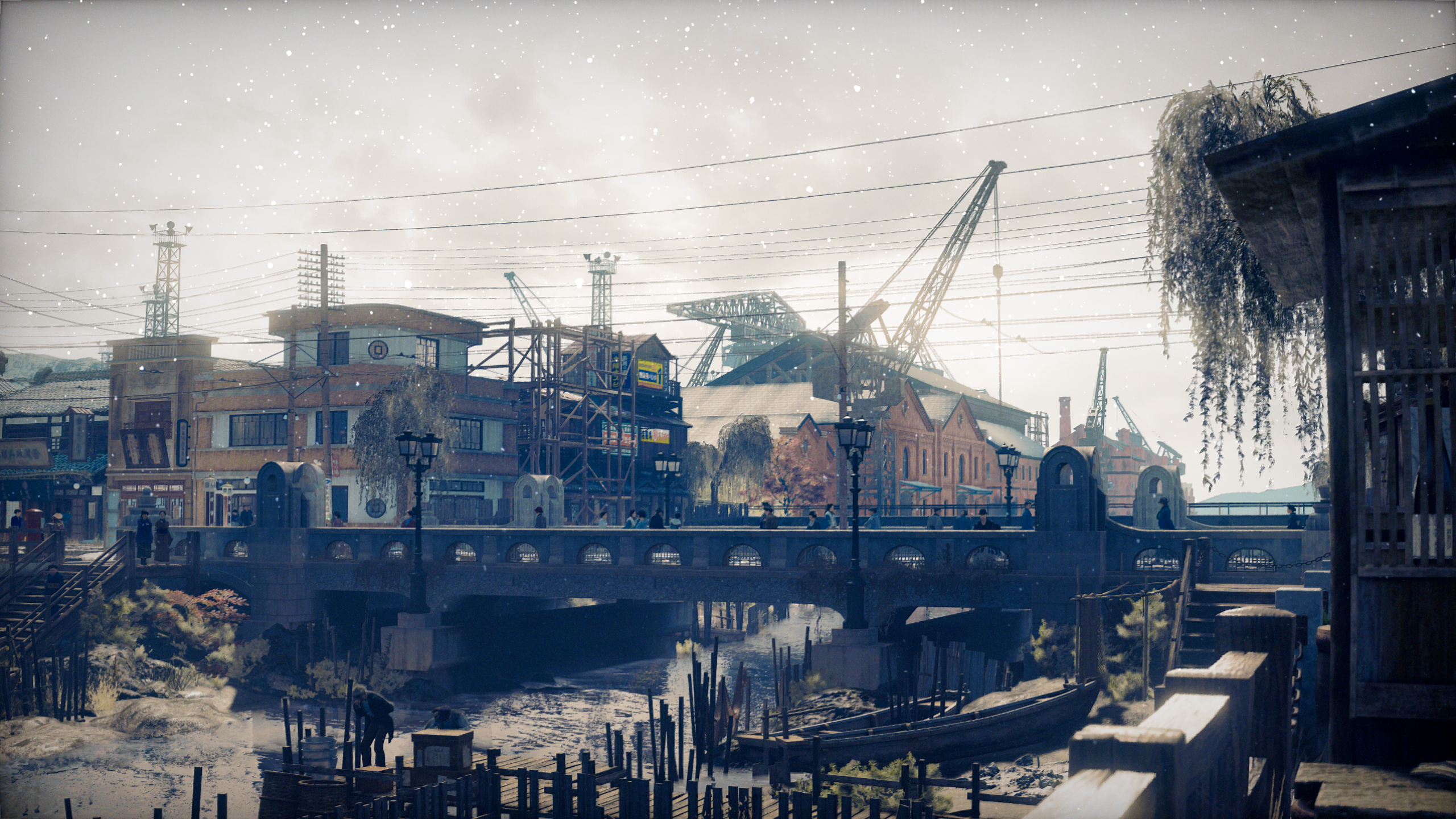
Stranger Than Heaven abandons the traditional open-world format centered around a single permanent hub like Kamurocho, opting instead for a geographic and chronological progression. The story moves southward to northward, or across strategically chosen Japanese cities, with each era occupying its own distinct urban center that mirrors Makoto’s personal growth and the shifting geopolitical climate of Japan.
The established timeline and urban settings include:
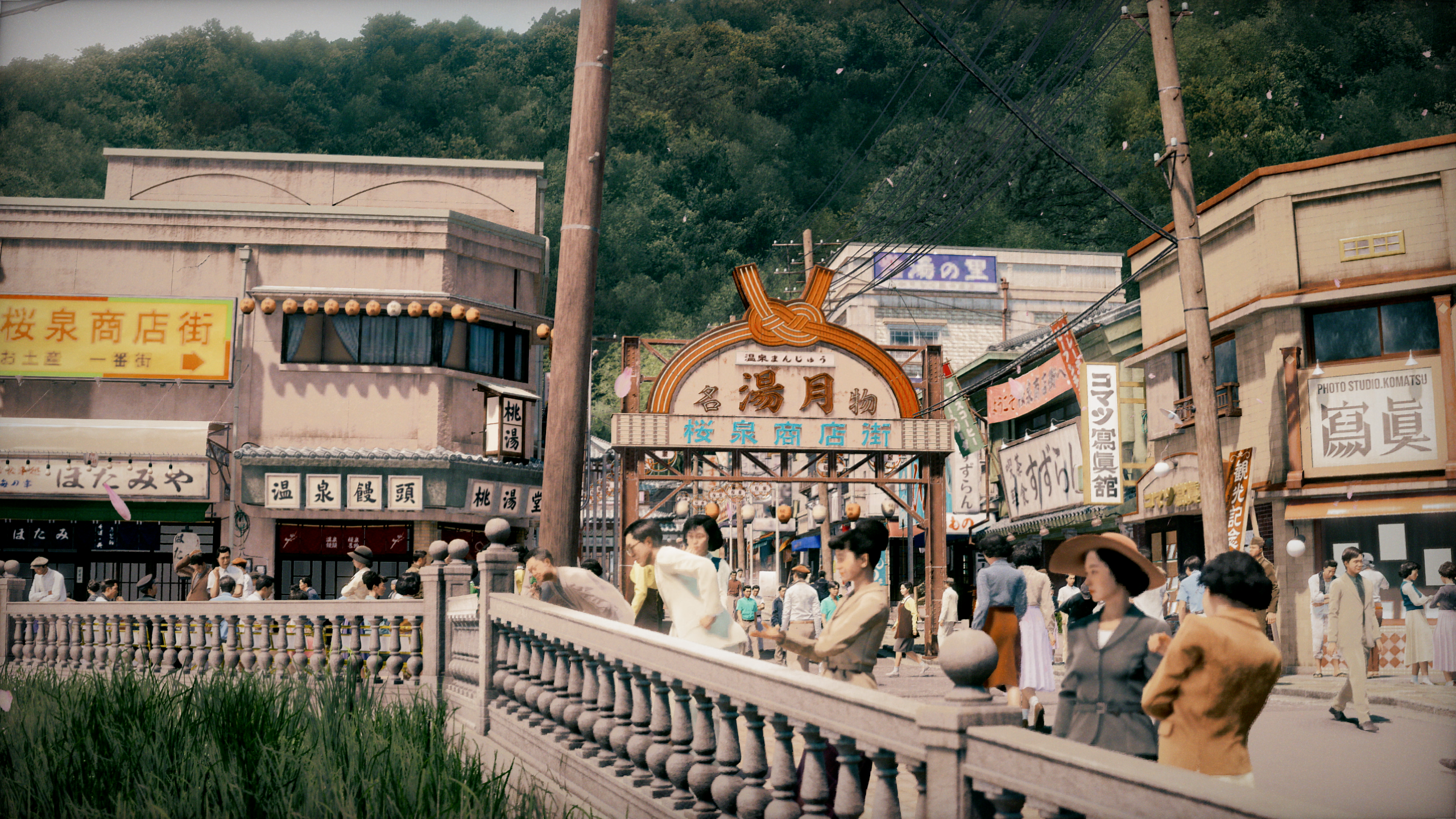
- 1915 (Kokura, Fukuoka): A dense industrial city where Makoto arrives as a penniless stowaway, characterized by densely packed architecture and interior exploration.
- 1929 (Kure, Hiroshima): A coastal, mountainous military port with a heavy international presence, serving as Makoto’s gateway into the complex and violent world of early yakuza organizations.
- 1943 (Minami, Osaka): Set against the backdrop of global conflict, featuring towering multi-tenant complexes and depicting life under the heavy restrictions of wartime Japan.
- Interim Eras: Additional districts that bridge the decades, reflecting Japan’s rapid modernization, industrialization, and societal recovery.
- 1965 (Tokyo): The final destination of the epic narrative, bringing Makoto’s fifty-year journey to a close amid the modernizing capital of post-war Japan.
Art director Daishi Kanaya explains that these cities were purposefully selected to echo the protagonist’s internal conflicts. For instance, Kure in 1929 pays homage to classic Japanese yakuza cinema—such as Battles Without Honor and Humanity—while thrusting Makoto deeper into a uniquely Japanese criminal underworld that continually challenges his bicultural identity.
Technical Innovations and the Evolution of the Dragon Engine
Built exclusively for current-generation hardware (PlayStation 5, Xbox Series X/S, and PC), Stranger Than Heaven bypasses past cross-platform limitations. This exclusivity has allowed RGG Studio to push the boundaries of its decade-old proprietary Dragon Engine.
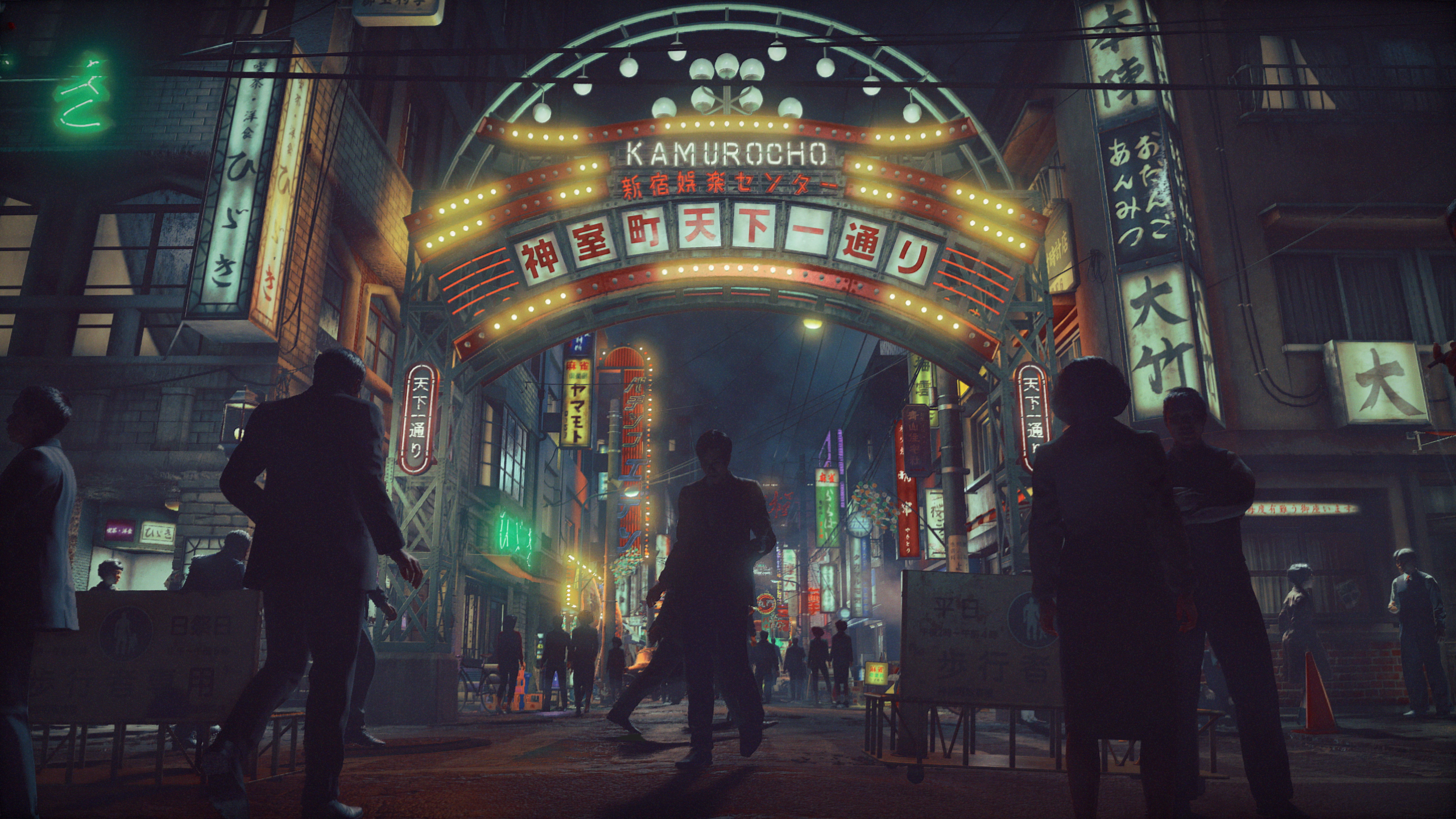
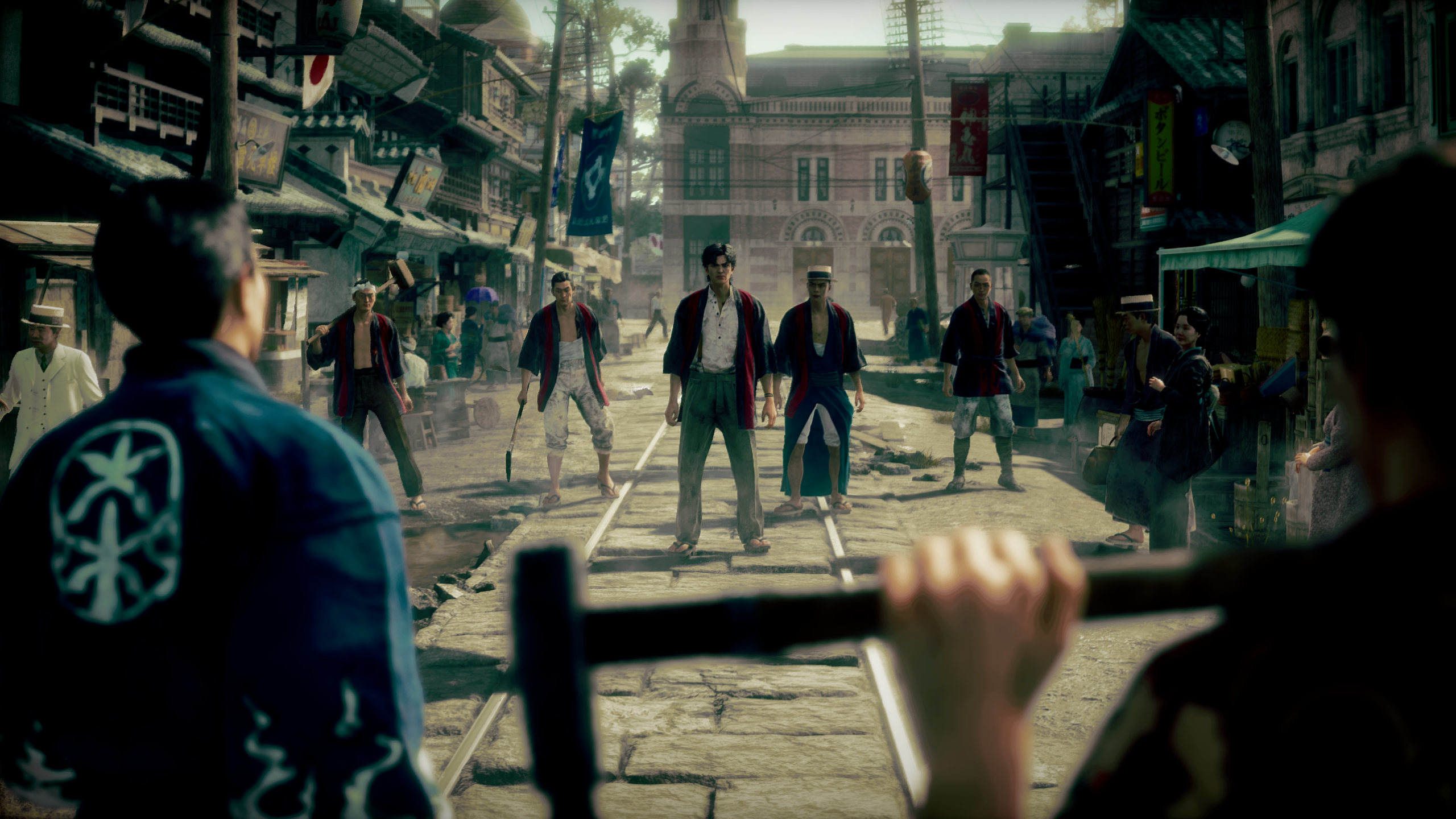
The studio has integrated advanced post-processing, sophisticated lighting models, and enhanced artificial intelligence to simulate complex human behaviors, making the historical cities feel genuinely inhabited. Drawing inspiration from vintage lenses, classic international films, period paintings, and historical record covers, art director Daishi Kanaya and director Mikinobu Abe crafted a deliberate visual style that prioritizes atmospheric texture, soft focus, and period-accurate light capture over cold, sterile photorealism.
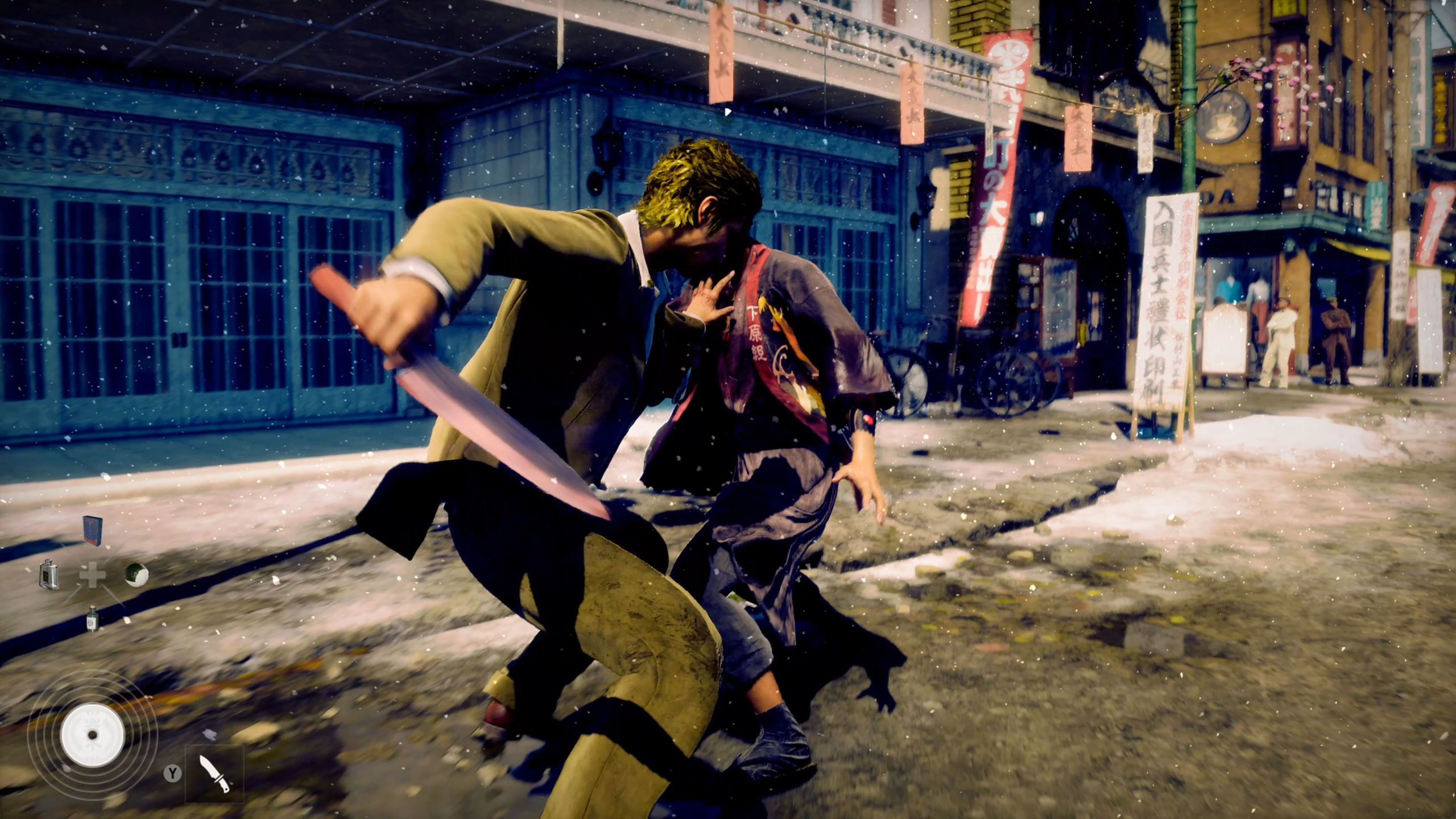
Furthermore, the game has been constructed entirely from the ground up, moving away from the studio’s historical tendency to efficiently recycle assets across successive Yakuza titles. Every animation—from everyday actions like eating street food to the raw, unrefined mechanics of street brawls—has been custom-built.
Combat in Stranger Than Heaven intentionally rejects the hyper-polished martial arts mastery seen in characters like Kazuma Kiryu. Instead, combat is designed to feel desperate and fatalistic, inspired by the gritty realism of historical Japanese cinema where participants grapple, struggle at close quarters, and utilize improvised environment weapons in life-or-death scenarios.
Global Casting and Multilingual Presentation
In a bid to bridge cultural divides and cater to an international audience, Sega has implemented a single multilingual audio track rather than traditional separated dubs and subtitles. This approach eliminates the historical "subs-versus-dubs" debate while aligning with a broader entertainment trend toward prestige multilingual historical dramas, mirrored by successes like the Emmy-winning series Shogun.
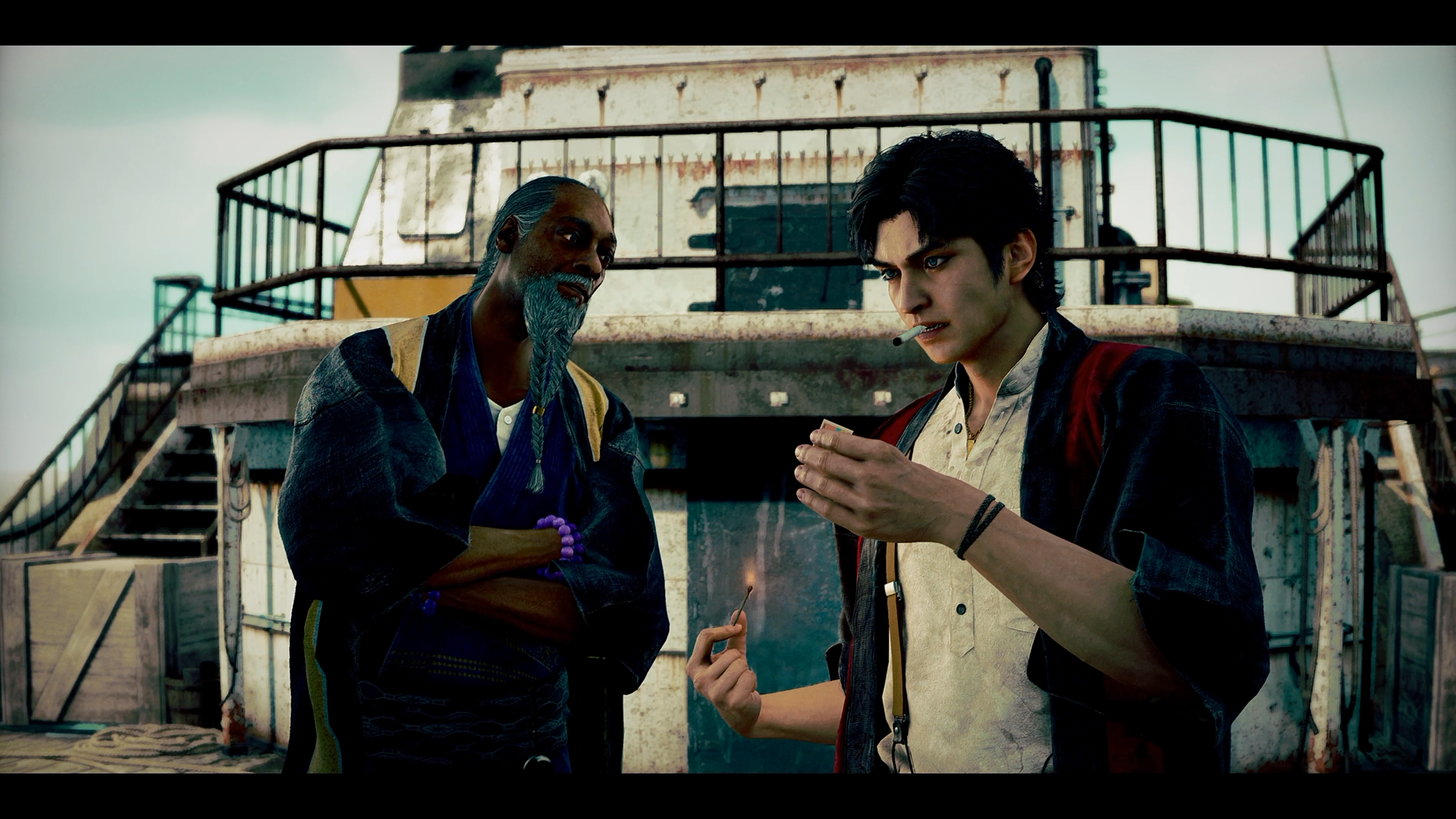
The game’s global appeal is further amplified by its high-profile voice cast and musical collaborations. Pop artists Tori Kelly and Ado perform the English and Japanese lyrics of the theme song, respectively, and both hold active roles within the game. More controversially, the title features prominent international figures, including Snoop Dogg, who voices and portrays the charismatic smuggler Orpheus—a mentor who helps guide Makoto through the underworld of show business and survival.
While the inclusion of modern hip-hop influences and contemporary American icons introduces an anachronistic layer to a historical period piece, the development team defends the choice. Abe emphasizes that Orpheus required a formidable presence with genuine musical talent and emotional gravity, making high-profile casting decisions essential for establishing the narrative’s distinct tone.
Historical Context and Critical Implications
By choosing to set its narrative between 1915 and 1965, Stranger Than Heaven navigates a volatile and culturally sensitive era of Japanese history. While the game explicitly addresses racial discrimination and the marginalization of foreigners and outsiders within imperial and post-war Japan, it explicitly carries a disclaimer noting it is not a literal reproduction of actual history.
Critics and industry analysts have noted that the narrative carefully sidesteps certain geopolitical flashpoints—such as the invasion of China in the 1930s or the intense domestic civil unrest of the late 1960s—to keep the spotlight firmly fixed on Makoto Daito’s personal arc. Director Abe maintains that the overarching goal is an intimate character study rather than a sweeping historical documentary: "Even during war, which profoundly affects the lives of everyone, people still live their own individual lives, and Makoto is no different."
Broader Industry Impact
As RGG Studio prepares for the launch of Stranger Than Heaven on January 15, 2027, the project stands as the most ambitious gamble in the developer’s history. By fusing Japanese historical drama with Western artistic sensibilities, transitioning to a multi-decade format, and embracing a transnational cast, Sega is positioning the title not merely as a spin-off to its established franchises, but as a defining cultural crossover. If successful, Stranger Than Heaven could redefine the scope of Japanese narrative-driven video games, proving that local stories can achieve universal resonance on a global stage.