
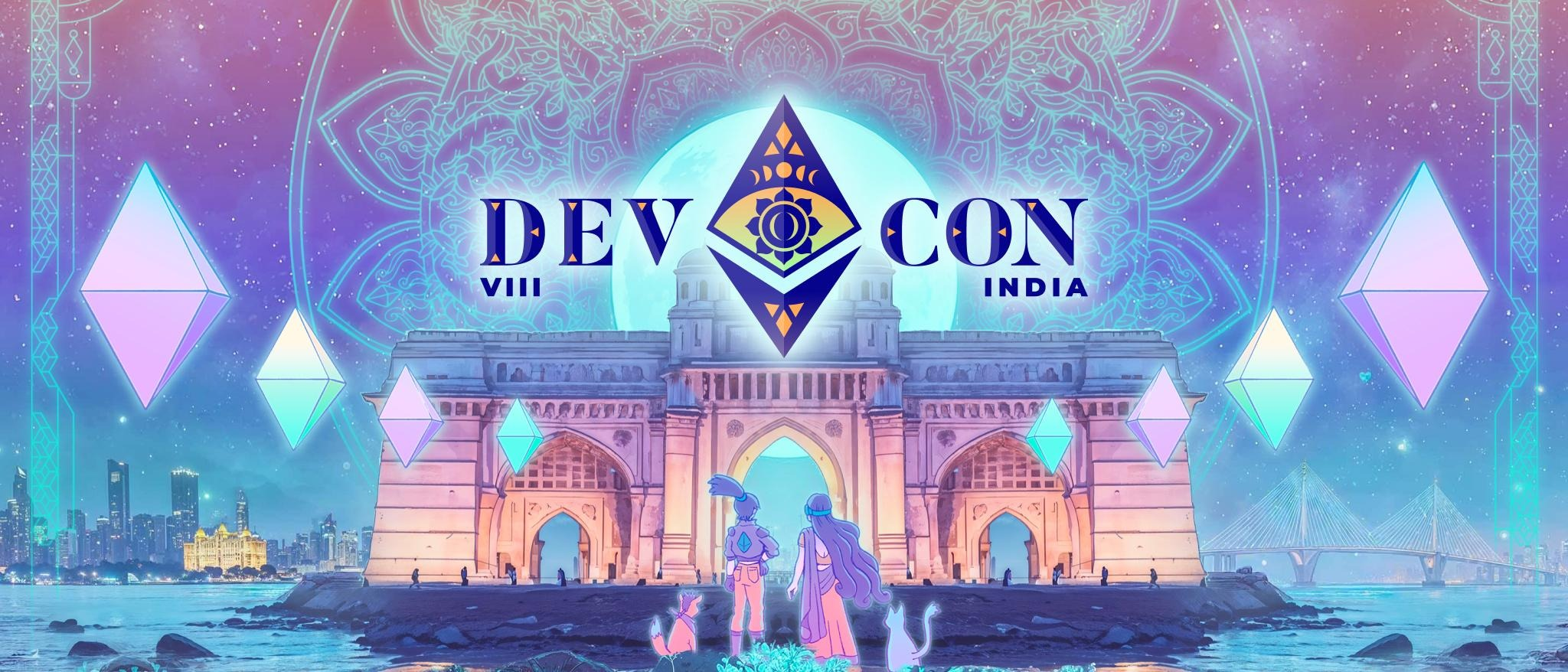
From November 3 to 6, the global Ethereum community convened at the Jio World Convention Centre (JWCC) in Mumbai, India, for Devcon 8. The event served as a high-water mark for the blockchain industry, drawing thousands of developers, researchers, policymakers, and enthusiasts into a four-day intensive summit focused on the future of decentralized, open-source technology. As one of the most anticipated gatherings in the sector, the Mumbai installment underscored a strategic shift toward global inclusivity, highlighting the rapid maturation of the Indian blockchain developer market and its integration into the broader Ethereum roadmap.
The Strategic Significance of the Mumbai Venue
Choosing Mumbai as the host city for Devcon 8 was not merely a logistical decision; it was a reflection of shifting demographics within the Ethereum ecosystem. India currently boasts one of the largest and most active developer populations globally, characterized by a unique intersection of academic rigor and rapid practical application. By hosting the event in a major emerging market, the Ethereum Foundation aimed to bridge the gap between core protocol research and the localized, real-world utility being developed in the Global South.
With 51% of attendees hailing from India, the event functioned as a massive onboarding and networking engine. The local energy, fueled by years of grassroots hackathons and community-led initiatives, provided a stark contrast to the often Western-centric narratives of blockchain development. This shift signaled that the next generation of decentralized infrastructure is increasingly being built by a global workforce, rather than being concentrated in traditional tech hubs like San Francisco or Berlin.
Chronology of the Four-Day Summit
The event followed a structured, multi-track format designed to cater to both technical deep-dives and high-level policy discussions.
Day one opened with a focus on core infrastructure and the “Road to Devcon” initiative, which had previously funded 30 community-led events across 22 Indian cities. This provided a foundation of familiarity for local participants, allowing them to hit the ground running upon arrival at the JWCC.
The second day shifted toward the application layer, with significant attention paid to zero-knowledge (ZK) technology and privacy-preserving tools. This period saw the release of key research papers and technical roadmaps detailing the upcoming protocol upgrades.
Day three was marked by the “Academic Track,” a specialized series of sessions that bridged the gap between theoretical computer science and practical blockchain implementation. Researchers from leading global universities engaged with developers to discuss the formal verification of smart contracts and the long-term scalability of the Ethereum network.
The final day focused on the broader social and institutional implications of blockchain. Discussions centered on the role of decentralized identity, digital public infrastructure, and the potential for Ethereum to act as a bedrock for transparent public services, culminating in a forward-looking panel that set the stage for the next year of development.
Technical Milestones and Key Announcements
Devcon 8 served as a launchpad for several critical advancements in the Ethereum ecosystem. Among the most discussed topics was the ongoing transition toward post-quantum cryptography, a necessary evolution to ensure the longevity of the network against future computing threats.

Interoperability remained a central theme, with several major projects announcing cross-chain solutions designed to reduce friction between Ethereum Layer 2 scaling solutions. These developments are viewed as essential for the next phase of mass adoption, where user experience (UX) must become as intuitive as traditional web applications.
A notable highlight was the collaboration between the Ethereum community and local institutions regarding Digital Public Infrastructure (DPI). A fireside chat between Ethereum founder Vitalik Buterin and policy expert Siddharth Shetty explored the synergy between open-source protocols and India’s state-backed digital stacks. The conversation highlighted how the ethos of permissionless, public-good development aligns with the goal of creating inclusive, accessible digital services.
Data-Driven Insights and Operational Scale
The sheer logistical scale of Devcon 8 was facilitated by a global team of 225 volunteers representing 22 countries. This international collaboration was essential for maintaining the event’s decentralized, community-driven spirit.
Engagement data from the event’s interactive platform, Meerkat, provided a quantifiable look at attendee priorities. With over 2,000 questions submitted during the sessions—40% of which were answered directly by speakers—and 7,000 instances of community feedback, the event demonstrated a high degree of intellectual participation. The nearly 100 “supervotes” on key questions indicated that the audience was not merely consuming information but actively shaping the direction of the discourse.
Socio-Economic Implications: A New Era for Developers
The impact of Devcon 8 extends far beyond the four days spent in Mumbai. By providing a platform for local developers to engage with global contributors, the event effectively accelerated the professionalization of the Indian blockchain sector. The release of the Ethereum India Magazine, alongside the circulation of educational materials like the open-source novel Snowmoon, served to anchor the technical knowledge shared at the event in a tangible, lasting format.

Industry analysts suggest that the emphasis on public goods and open-source applications at Devcon 8 represents a pivot away from the speculative fervor that defined earlier cycles of the crypto industry. The current trend toward building resilient, verifiable systems suggests a maturing market where the focus is firmly on long-term sustainability and utility.
Institutional Support and Future Collaborations
The success of Devcon 8 was supported by an array of organizations, ranging from core protocol contributors to privacy-focused startups and decentralized autonomous organizations (DAOs). The list of supporters included entities such as Base, Circle, Gnosis, and OpenZeppelin, all of which played a role in sponsoring technical workshops and community hubs.
The inclusion of impact-focused teams—such as UNICEF and various research-oriented guilds—reinforced the narrative that Ethereum is increasingly viewed as a tool for social, economic, and institutional improvement. This diversity of participants suggests that the network is broadening its appeal, moving beyond the niche confines of finance and into sectors like supply chain management, identity verification, and collaborative research.
Looking Ahead: The Roadmap to Lisbon
As the Mumbai curtains closed, the focus immediately shifted to the next milestone. The Ethereum Foundation has officially scheduled Devcon 9 to take place in Lisbon, Portugal, from October 12–14, 2027.
The choice of Lisbon is strategic, positioning the next iteration of the event within the vibrant European tech ecosystem. With its established tradition of international collaboration and a growing concentration of blockchain talent, Lisbon is expected to host a similarly high-impact event that builds upon the foundational work done in Mumbai.

The Devcon team has already begun the process of soliciting feedback through a comprehensive survey, with a deadline of December 1, 2026. This data will be instrumental in refining the structure of future conferences, ensuring that the event remains responsive to the needs of its diverse, global user base.
Conclusion
Devcon 8 was more than a conference; it was a manifestation of the Ethereum network’s ongoing evolution into a truly global infrastructure layer. By successfully integrating the local dynamism of the Indian developer community with the global vision of researchers and architects, the event demonstrated that the future of the internet is being built through collaboration rather than competition.
As the industry moves toward 2027, the developments in Mumbai will likely be viewed as the catalyst for a more accessible, private, and verifiable digital landscape. The conversations sparked at the JWCC—ranging from technical upgrades in protocol efficiency to the philosophical underpinnings of digital freedom—have provided a robust framework for the work that lies ahead. The shift toward Lisbon is not merely a change in venue; it represents the next chapter in a sustained, collective effort to build a more open and equitable digital future.